
International road transportation from Iran is a highly efficient logistics solution for import and export operations, connecting manufacturers and buyers to global markets. This transport method enables the rapid movement of goods across borders and allows for direct delivery to the final destination.
Compared to rail transport, road transportation is generally faster and more flexible, making it a preferred option for shipments where delivery time is a critical factor.
Book a container load toda
International road transportation from Iran operates through key road routes and border crossings that connect the country to regional and global markets. Among these, the Dogharoon, Milak, and Sarakhs crossings play a crucial role in linking Iran with East and Central Asian countries and facilitating regional trade.
In addition, major western and northwestern border points, such as Bazargan with Turkey for access to European routes, and Astara and Jolfa with Azerbaijan, further support the development of international road transport and strengthen Iran’s foreign trade.
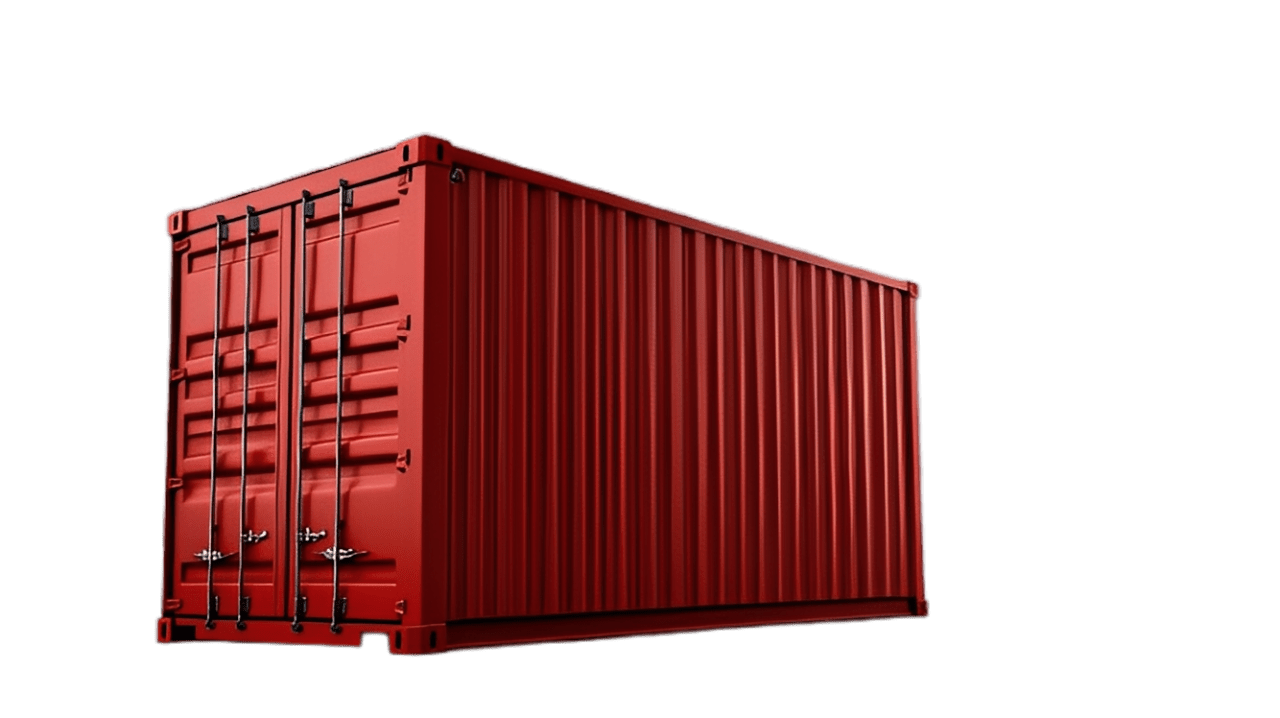
Container road transportation from Iran is an efficient solution for moving containerized cargo along international routes using trucks. This service enables the direct transfer of containers from the loading point to destination markets through road networks, ensuring cargo safety and better control over delivery conditions.
International container road transport from Iran is typically used for standard 20-foot and 40-foot containers. This method offers high flexibility in scheduling and route selection, making it an ideal option for businesses engaged in cross-border trade and international logistics.
International road transportation from Iran includes Full Truckload (FTL) and Less Than Truckload (LTL) services to meet diverse cargo transportation needs. FTL services are ideal for shipments that require the exclusive use of a truck, allowing direct transfer of goods from origin to destination.
LTL services are designed for smaller shipments that do not require a full truck. By consolidating multiple shipments in a single vehicle, transportation costs are reduced while ensuring reliable delivery of goods along international routes.
Complete Cargo Documentation | All shipments must be accompanied by complete and accurate documentation, including an invoice and packing list. |
Certificate of Origin and Cargo Health | Providing valid certificates that indicate the country of origin and verify the cargo’s health and safety by the relevant authorities is mandatory. |
Special Cargo Permits | Certain goods, such as food products and meat, require official health and origin certificates. For example, transporting meat shipments from India to Uzbekistan is not possible without these documents. |
Driver Documentation | Drivers involved in international road transportation must hold a valid visa and a Road Pass to legally cross borders. |
Contract Signing: The process begins with a contract between the customer and Iran Pooyesh.
Quotation: Transport rates are provided based on cargo details, route, and service requirements.
Draft Bill of Lading: A draft B/L is sent to the customer for review and approval.
Document Submission: Required documents, including invoice, packing list, and relevant certificates, are collected.
Shipment Tracking via Shipping Lines: Cargo location and status are monitored through shipping partners.
Customs Clearance: Necessary clearance documents are obtained.
Loading Permit: Authorization for loading at the customs terminal is secured.
Cargo Transportation: Containers are loaded onto trucks and transported to the destination.
Unloading and Container Return: Upon delivery, cargo is unloaded and containers are returned.
The cost of international road transportation from Iran is influenced by various operational and market factors. Understanding these factors helps businesses estimate shipping expenses accurately and choose the best logistics option.
We can provide you with a customized freight solution tailored to your needs…
Cargo location and status are monitored through shipping partners.
Transport rates are provided based on cargo details, route, and service requirements.
A draft B/L is sent to the customer for review and approval.
Required documents, including invoice, packing list, and relevant certificates, are collected.
Required documents, including invoice, packing list, and relevant certificates, are collected.
Necessary clearance documents are obtained.
Authorization for loading at the customs terminal is secured.
Containers are loaded onto trucks and transported to the destination.
Upon delivery, cargo is unloaded and containers are returned.
The consultants of IPCO Cargo are ready to answer questions and give prices to our dear audiences around the clock. You can contact us by filling out this form and ask us your questions so that our experts can review and follow them as soon as possible.
International road transportation from Iran is widely used, with the highest demand coming from countries trading with China and India. Due to their role as major production hubs, many shipments pass through Iran’s road network. Most goods from China and India are transported to Afghanistan, Turkmenistan, Tajikistan, and Uzbekistan via Iranian border crossings.
Road transport rates are primarily based on cargo weight, driver fees, and shipping-related costs. Final rates may vary depending on the route, type of vehicle, and operational conditions.