
International Maritime Transportation from Iran
In international maritime transportation, access to real-time freight rates and accurate management of bill of lading reservations are among the most important factors for cost optimization and supply chain efficiency within international transportation from Iran. Iran Poyesh, by utilizing up-to-date sea freight rates from major commercial origins in Asia and cooperating with a network of international agents, provides cargo shipping services from all Iranian ports, including Bandar Abbas, Chabahar Port, ports in the Caspian Sea region, and other locations.
Depending on cargo conditions and route requirements, shipments can be carried out directly or indirectly. The booking process begins with receiving basic information, including the shipper, consignee, port of origin, and port of destination. This structured approach leads to reduced operational risks, cost transparency, and better control over transportation scheduling
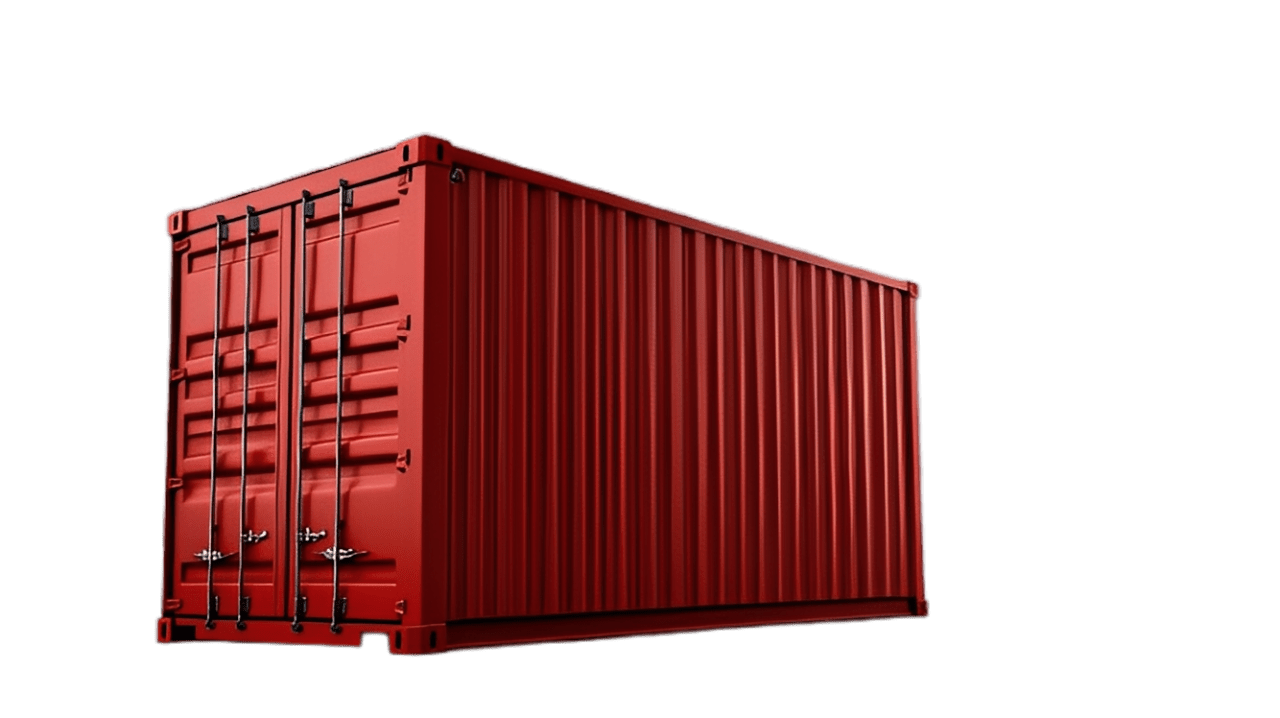
Book a container load toda
Our Advantage
- Real-Time and Competitive Rates
- Cooperation with Reputable Shipping Lines
- Flexible Routing Options
- Extensive Experience and Network
Advantages of Iran Poyesh in Maritime Transportation
1. Real-Time and Competitive Rates
Iran Poyesh provides access to updated and optimized pricing from Asian ports and loading centers, enabling cost-effective planning and fast decision-making for shipments.
2. Cooperation with Reputable Shipping Lines
The Iran Poyesh team works with well-known and reliable shipping companies to ensure cargo is transported with full security and effective risk management, even on routes with complex international shipping conditions.
3. Flexible Routing Options
Cargo can be shipped via direct or multi-leg routes, allowing stable and predictable transportation management for sensitive or challenging routes.
4. Extensive Experience and Network
With years of operational experience and a wide network of agents, Iran Poyesh offers comprehensive route coverage and end-to-end cargo transportation management.
Why Is Maritime Transportation from Iran the Best Choice?
Maritime transportation from Iran is a cost-effective and reliable solution for shipping various types of goods. Compared to air and land routes, sea freight offers optimized and competitive costs while ensuring secure cargo movement. Goods are shipped in sealed containers under full supervision, and transportation can be arranged either directly or in multiple stages to maintain security and precise scheduling, even on complex and sensitive routes.
Thanks to its favorable geographical position as a natural link between the Persian Gulf and northern countries, Iran provides shorter and more efficient export and transit routes. Combined with Iran Poyesh’s extensive logistics network and operational expertise, this ensures fast, reliable, and well-managed maritime transportation for all types of cargo.
Main Iranian Ports for Maritime Transportation
With access to southern open waters and northern seas, Iran benefits from several key ports for international maritime transportation. Each port, depending on its geographical location and infrastructure, serves different trade routes and supports the movement of containerized, bulk, and general cargo.
1. Bandar Abbas
Bandar Abbas, as the country’s most important maritime gateway, plays a central role in container transportation and Iran’s maritime trade. With direct access to Persian Gulf waters and strong connections to the domestic transportation network, it is one of the primary options for international shipping and receiving cargo.
2. Chabahar
Chabahar Port, located strategically in southeastern Iran with direct access to open waters, is recognized as a complementary maritime route. It enables cargo owners to diversify transportation routes and utilize new trade corridors.
3. Caspian Sea Region
Active ports in the Caspian Sea region play a key role in maritime transportation to northern countries. This route is commonly combined with land or rail transport and is considered a suitable option for regional export and transit.
4. Imam Khomeini Port
Imam Khomeini Port is one of the major southern ports of Iran. With appropriate infrastructure, it is used for transporting a wide range of goods and is connected to different parts of the country through road and rail networks.
What Types of Cargo Are Shipped via Maritime Transportation?
Maritime transportation from Iran supports the shipment of various types of cargo, from general and containerized goods to oversized and bulk cargo. Bulk commodities such as sulfur, sugar, and plywood are transported easily and securely, while special and dangerous goods require designated positions on vessels and specialized documentation.
With its operational experience and extensive agent network, Iran Poyesh enables precise planning, space booking, and full management of all transportation stages, ensuring shipments reach their destination safely, efficiently, and with full confidence.
International Maritime Transportation Process at Iran Poyesh
The maritime transportation process at Iran Poyesh is designed to be fast, transparent, and fully traceable. All stages are managed by an experienced team of specialists, allowing cargo owners to maintain full control and confidence in the secure delivery of their shipments.
Required Documents and Key Considerations for Maritime Transportation
To initiate maritime transportation, providing basic information such as cargo type, shipper, consignee, and port of origin and destination is sufficient. After registration, Iran Poyesh coordinates with international agents and reputable shipping lines to manage bill of lading reservations and the entire transportation process, ensuring a simple, secure, and well-planned shipment.
For special or dangerous cargo, documentation and requirements differ. For example, hazardous shipments require an MSDS and are assigned specific positions on vessels, while dry goods are placed in separate sections.
For higher efficiency, it is recommended to review vessel schedules and capacity in advance, prepare customs documentation, and maintain full coordination with Iran Poyesh for booking and tracking, ensuring controlled costs and minimal risk.
Cost of International Maritime Transportation from Iran
Maritime transportation costs depend on several factors, including the distance between ports, container size and type, special cargo conditions, and the selected route (direct or indirect). Approximately, 20-foot container shipping starts from USD 1,040, and 40-foot container shipping starts from USD 2,040.
For special cargo, such as sensitive or hazardous goods, more detailed planning and dedicated vessel positioning are required, which naturally increases costs. However, this structured approach allows customers to make informed decisions and maintain full cost control.
Perfect Communication
We can provide you with a customized freight solution tailored to your needs…
Portfolio
Perfect Communication
International Rail Transportation Process at Iran Poyesh
The customer provides shipper, consignee, and port of origin and destination details.
The Iran Poyesh team handles all necessary coordination and booking procedures.
After cargo approval and bill of lading reservation, transportation costs are paid.
The cargo is dispatched via maritime routes and continuously monitored until arrival at the destination.
A Free Consultation
The consultants of IPCO Cargo are ready to answer questions and give prices to our dear audiences around the clock. You can contact us by filling out this form and ask us your questions so that our experts can review and follow them as soon as possible.
FAQ
How Long Does Maritime Transportation from Iran Take?
Transit time varies depending on the route, cargo type, and whether a direct or multi-leg route is selected. Through precise planning and coordination with shipping lines, Iran Poyesh enables fast and predictable shipments, with cargo status continuously monitored until arrival.
What Types of Goods Can Be Shipped via Maritime Transportation?
Iran Poyesh’s maritime transportation services support all types of cargo, from general and containerized goods to oversized and bulk shipments. Special or sensitive cargo, such as hazardous materials, is placed in designated vessel positions, and safe handling is ensured by Iran Poyesh’s specialized team.